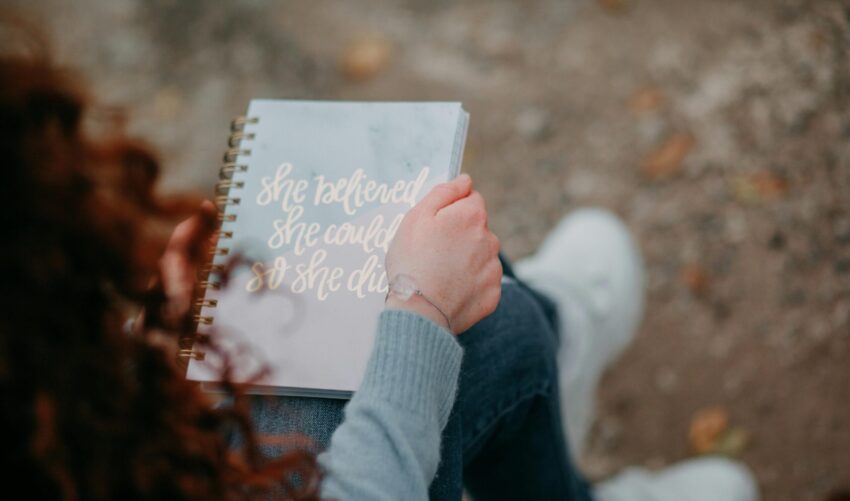
I’ll admit something upfront: I’m not a natural planner. Never have been. Spontaneous decisions and inspired last-minute solutions have been my default mode. For years, I viewed planning as something other people did – you know, those incredibly organized folks with their color-coded planners and perfectly arranged pantries. And for a while, chaos worked for us, or least, didn’t seem to hold us back much. But that’s no longer true. My life is busier, my goals are bigger and the old ways of doing things just don’t work anymore.
I’d like to think that I’m doing a pretty good job when it comes to green living. For example, I bike to work, we limit our air travel, I try to buy second hand and we eat almost exclusively vegetarian and organic. But I am keenly aware I could do much better. Something wasn’t clicking.
Then I came across this quote from James Clear’s “Atomic Habits” that hit home:
“You do not rise to the level of your goals. You fall to the level of your systems.”
(If you haven’t read Atomic Habits yet, I can’t recommend it enough)
The Power of Systems vs Goals
This simple truth captured my struggle with sustainable living. I made multiple well-intentioned attempts at meal planning to reduce food waste. I had the goal. I had the motivation. What I didn’t have was a system that actually fit my family’s real-life schedule and habits. Predictably, my aspirations crashed and burned when they collided with our busy weekday schedules.
As somebody who thought I could keep everything organised in my head, this was a hard pill to swallow. But I’ve learned that planning doesn’t have to mean rigid schedules and complex systems. Sometimes it’s as simple as setting up a recycling station that makes sense for your space, decluttering so you can actually find your stuff when you need it and creating basic routines that even a planning-averse person like me can follow.
The Planning Gap: Where Good Intentions Meet Reality
Here’s what I’ve learned: there’s a massive gap between good intentions and environmental action. It’s not about wanting to do better – most of us already want that. It’s about building bridges between our green goals and the reality of our daily lives.
I see this planning gap everywhere now. We invest in sustainable alternatives without thinking through how we’ll actually use them. We end up buying something new because we didn’t plan ahead and now we need it TODAY. We want to reduce waste but don’t have any system in place to make it happen. All this inevitably leads to frustration and an eventual surrender to old habits.
Why Planning Changes Everything
When we actually plan our sustainability efforts, something magical happens. Those abstract goals like “eat more sustainably” transform into concrete actions like “prep three plant-based meals every Sunday” or “Look head to see what clothes the kids need so you can buy them at the thrift store when you see them.” Decision fatigue and overwhelm are melting away because we’re no longer debating every single choice – we’ve already mapped out our path.
This systematic approach is creating a snowball effect. My kids know they need to plan ahead when they want something. We know what we have, where it is stored and we appreciate it. Our shopping has become more mindful, guided by lists and plans rather than impulse.
Making It Work: My Personal Blueprint
I’ve learned to start small. Really small. Instead of overhauling our entire lifestyle overnight, I focused on creating one solid system at a time. For us, it began with decluttering, so it became easier to keep the house tidy and to find the things we needed when we needed them. This freed up time – and head space- on the weekends, so we started a simple meal planning routine that actually considered our schedule – including the fact that Mondays are a lost cause and Sundays are our best days for planning days.
Regular check-ins have been crucial. I do a weekly review at the end of the workweek, and look ahead at the week and month ahead on sundays. Sometimes systems need tweaking – or complete overhauls – and that’s okay. Or sometimes we realise we need to implement another system first. Sustainability, like planning, isn’t about perfection; it’s about progress and adaptation.
Beyond Individual Action: The Bigger Picture
It’s important to acknowledge that our individual actions exist within a broader context where our societies often encourage and facilitate unsustainable living. From urban designs that prioritize cars over public transit and cycling, to supply chains that make fast fashion cheaper and more accessible than durable alternatives, our societies make eco-friendly choices difficult or inconvenient. Clearly, change needs to happen at all levels, and it is not only our individual responsibility.
But when I bike instead of drive, I’m showing others we don’t need to depend on cars. When I buy clothes that last, I’m swimming upstream against a tide of cheap fast fashion that’s everywhere I look. When opt out of buying things I don’t need, I don’t give my money to corporations that exploit workers and the planet.
I’ve started to see my personal choices differently – not just as drops in the ocean, but as part of a growing wave. When I skip the fast fashion, I’m part of a movement pushing for better options. When I opt out of buying unnecessary stuff, I opt out of a system that prioritises material possessions over everything else. By doing this, I not only take my power back, I lessen the pressure for others to keep up withe Joneses.
This perspective has actually made my sustainable choices feel more meaningful, not less. Yes, I’m reducing my own impact, but I’m also joining countless others in showing what’s possible.
Your Turn: Build Your Own Sustainable Living Systems
Sustainable living can’t be about having the strongest willpower or the loftiest goals and ideals. That is a recipe for failure. It’s about creating smart, practical systems that make eco-friendly choices the easy choices.
Remember: The planet doesn’t need a handful of people doing everything perfectly. It needs millions of us taking consistent, meaningful steps forward.
Ready to begin? Here’s your first step: Choose ONE small system to build this month. It could be:
- Creating a simple meal planning routine for busy weekdays
- Designating a spot for reusable bags by your front door/ in your garage
- Starting a weekly “need to buy” list to avoid impulse purchases
💚 Share Your Journey 💚 What small system are you committing to build this month? Drop a comment below to:
- Share your chosen system
- Connect with others on the same path
- Get support when you need it
- Inspire others to start their own journey